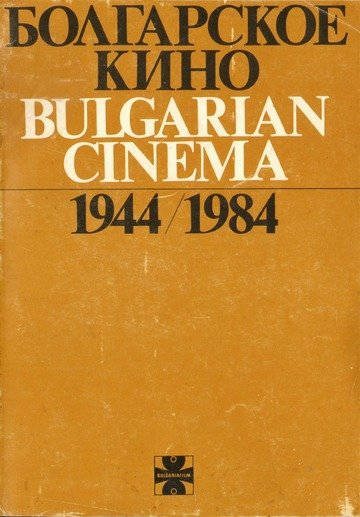
The story of Bulgarian cinema is a captivating journey, often mirroring the nation's tumultuous history, yet consistently asserting its unique artistic voice. Far from a mere footnote in global film, the History of Bulgarian Cinema tells a compelling tale of resilience, innovation, and a deeply human quest for expression, evolving from its nascent, amateur beginnings to its current status as a critically acclaimed, internationally recognized force.
For anyone looking to understand the soul of a nation through its moving images, or simply seeking rich, thought-provoking films beyond the mainstream, diving into Bulgaria's cinematic heritage is an absolute must.
At a Glance: Bulgaria's Cinematic Odyssey
- Early Spark (Pre-1945): A period of passionate amateurism, led by pioneers like Vassil Gendov, laying the groundwork for a national film industry.
- The State-Controlled Era (1945-1989): Under communism, film became a tool for ideology, but also benefited from significant state funding, professionalizing the craft and producing classics like The Goat Horn.
- Post-Communist Crossroads (1990s): The fall of the Iron Curtain brought severe funding cuts and a challenging period, but also the birth of independent cinema and a critical reflection on the past.
- Global Acclaim (2000s-Present): A vibrant renaissance marked by international awards, the emergence of distinctive directorial voices, and a growing presence on the world stage.
- Enduring Spirit: Despite ongoing challenges like budget cuts, Bulgarian cinema's authentic storytelling and universal themes continue to resonate globally.
The Early Seeds: A Nation's First Foray into Film (Pre-1945)
Imagine a flickering projection in a darkened hall, just as the 20th century was finding its stride. This was the dawn of Bulgarian cinema, sparked by the opening of its first dedicated cinema theatre in 1908. It wasn't an industry yet, but rather a movement fueled by fervent enthusiasm and intellectual curiosity.
Before the mid-1930s, the landscape was largely dominated by amateur directors. These passionate individuals, often supported by the nation's literary and artistic intelligentsia, took popular Bulgarian literature and adapted it for the nascent silver screen. Their work, while rudimentary by modern standards, was vital. It established the very idea of a Bulgarian film, reflecting local stories and cultural nuances.
Pioneers such as Vassil Gendov, often credited with Bulgaria's first feature film Bulgaran is Gallant (1915), Boris Grejov, Alexander Vazov, Petar Stoychev, and Vassil Bakardjiev were the audacious trailblazers. They experimented with narrative, camera techniques, and acting, often against significant financial and technical odds. Their films, though few and largely lost to time, laid the emotional and conceptual foundation for what would eventually become a national cinematic identity. They proved that Bulgarian stories, told by Bulgarians, belonged on film.
Under the Iron Curtain: A Golden Cage for Bulgarian Film (1945-1989)
The end of World War II ushered in a new, drastically different era for Bulgaria, and with it, its cinema. From 1945 until the fall of communism in 1990, the film industry was nationalized. This wasn't just a change in ownership; it was a fundamental shift in purpose. Like all arts under the Soviet-aligned regime, film was seen as a powerful tool to disseminate state ideologies and shape public consciousness.
While this period was undeniably marked by restrictions and censorship, it also brought an unprecedented level of economic support and, crucially, professionalization. Filmmakers had access to state-of-the-art equipment, well-funded studios, and consistent employment. This paradoxical "golden cage" allowed for the development of highly skilled crews, sophisticated production techniques, and the emergence of a distinctive Bulgarian cinematic style, even within ideological constraints.
Themes during this era often walked a tightrope, reflecting societal changes while navigating the political demands. Social dramas exploring the upheaval of rural-to-urban displacement, the complexities of existentialism, and timeless narratives of romance were common. Despite the ideological oversight, many directors managed to infuse their works with profound humanism and artistic integrity, often using allegory and subtle critique.
This was also a particularly strong period for Bulgarian animated cinema, which gained international recognition for its unique visual style and storytelling.
Two seminal films from this period stand out, demonstrating the artistic heights achieved:
- ** The Goat Horn (1972), directed by Metodi Andonov:** A stark, powerful drama of revenge and redemption set in 17th-century Bulgaria. Its raw emotional intensity, breathtaking cinematography, and masterful performances cemented its status as a masterpiece, even receiving an Oscar nomination for Best Foreign Language Film.
- ** Time of Violence (1988), directed by Ludmil Staikov:** A monumental epic exploring the forced conversion of Bulgarians to Islam in the Ottoman Empire. Released just before the fall of communism, its historical scope and intense drama resonated deeply, becoming a cultural touchstone.
These films, and many others, showcased a mature and confident cinematic language, proving that even within a restrictive system, powerful and enduring art could thrive.
The Wild West Years: Post-Communist Rebirth and Reinvention (1990s)
The dramatic political changes of 1989, culminating in the fall of communism and the receding tide of Soviet authority, sent shockwaves through the Bulgarian film industry. Overnight, the vast state funding that had sustained it for decades evaporated. It was a brutal transition, akin to a well-oiled machine suddenly losing its power source.
However, this collapse also brought new freedoms. Private production companies, once unthinkable, were now permitted. The early 1990s were chaotic but fertile. Significant institutional changes arrived in 1991, with the emergence of specialized companies like Boyanna for feature films, Vreme for documentaries, and Sofia for animation. This decentralization marked a crucial step towards market-driven cinema.
The very first independent films began to appear in 1992, signaling a new era of artistic autonomy. Sergei Komitski’s Bullets in Paradise and Ralitsa Dimitrova´s The College were among the pioneers, boldly venturing into uncharted territory without state oversight.
The directors of the 1990s, profoundly shaped by the preceding era, often used their newfound freedom to directly confront the past. Films like Hristian Notchev's The Frontier (1994) and Georgi Dyulgerov's Chernata Lyastovitsa (1997) frequently critiqued the failed communist regime, exploring themes of disillusionment, moral ambiguity, and the challenges of transitioning to a new, uncertain society. These were films that wrestled with national identity in a time of profound change.
As the decade progressed, and the industry slowly adapted, better productions began to emerge, showcasing a more refined and ambitious vision. Films like Iván Pavlov's Starting from Scratch (1996), Stanimir Trifonov's Battle of Wolves (2000), Iglika Triffonova's Letter to America (2000), and Iván Nichev's After the End of the World (1998) started to gain traction, signaling a slow but steady recovery and a renewed artistic drive. This difficult period, though financially crippling, ultimately forged a tougher, more independent, and creatively unburdened cinematic voice.
Global Spotlight: Bulgaria's Cinematic Renaissance (2000s Onward)
The new millennium marked a pivotal moment for Bulgarian cinema. After the challenging transition years, the industry began to find its footing, and more importantly, its voice started to resonate far beyond national borders. This period can be accurately described as a renaissance, as Bulgarian films started consistently winning prestigious awards at international festivals, proving their universal appeal and artistic merit.
This surge in recognition wasn't accidental. It was the culmination of years of rebuilding, a newfound creative freedom, and a generation of filmmakers eager to tell stories that were authentically Bulgarian yet universally human.
Early successes of this renaissance included:
- Zornitza Sophia's Mila from Mars (2004): This film earned a Special Jury Award at the Sarajevo Film Festival, putting a new generation of Bulgarian talent on the map.
- ** Stolen Eyes (2004/2006):** Directed by Radoslav Spasov, this powerful drama garnered significant acclaim. Vessela Kazakova won the Best Actress Prize at the Moscow International Film Festival in 2004, and the film itself went on to win the Golden Bear at the Berlin International Film Festival in 2006, one of the most prestigious awards in world cinema. This win was a monumental achievement, signaling that Bulgarian cinema was not just surviving, but thriving on the global stage.
These awards were not isolated incidents but harbingers of a sustained period of international recognition, inviting audiences worldwide to Explore movies in the background of a rich, complex cultural landscape.
Voices of Today: Master Filmmakers and Modern Movements
The 2000s and beyond have cemented the reputation of several contemporary Bulgarian directors whose works are regularly celebrated at top-tier festivals and by critics worldwide. They represent the diverse and powerful narratives emanating from the country today.
Stephan Komandarev: A Moral Compass in Transition
One of the most prominent names is Stephan Komandarev, whose films consistently tackle complex themes of transition, morality, and the human cost of societal change in post-communist Bulgaria. His distinctive narrative style, often blending social realism with elements of suspense or dark humor, has earned him a significant international following.
His notable works include:
- ** The World is Big and Salvation Lurks Around the Corner (2008):** A heartwarming and poignant road movie about a young man recovering his memory through backgammon, exploring themes of family, identity, and destiny. It was Bulgaria's submission for the Best Foreign Language Film Oscar.
- ** Directions (2017):** A powerful ensemble drama unfolding over 24 hours in Sofia, capturing the anxieties and moral dilemmas of ordinary people.
- ** Blaga’s Lessons (2023):** This film truly marked a career peak, winning the prestigious Grand Prix – Crystal Globe at the Karlovy Vary International Film Festival. It's a stark, uncompromising look at an elderly woman's descent into desperation after falling victim to a scam, exploring themes of dignity, injustice, and the resilience of the human spirit in a harsh world. Komandarev’s unflinching gaze into the ethical fabric of contemporary society makes his films both challenging and deeply rewarding.
Kristina Grozeva and Petar Valchanov: Masters of "Bulgarian Minimalism"
Another directorial duo making waves is Kristina Grozeva and Petar Valchanov. They are widely recognized for pioneering a style often dubbed "Bulgarian minimalism." Their films are characterized by long takes, precise composition, naturalistic acting, and a focus on ordinary people facing extraordinary moral and ethical dilemmas, often with a subtle, yet biting, social critique. Their approach is observational, allowing the audience to truly inhabit the characters' struggles.
Their critically acclaimed "Trilogy of Modern Bulgaria" includes:
- ** The Lesson (2014):** A gripping, real-time drama about a teacher struggling to pay off a loan shark, exposing the desperation that economic hardship can inflict.
- ** Glory (2016):** A darkly comic and tragic tale of a humble railway worker who finds a bag of money and reports it, only to be exploited by a cynical PR team.
- ** The Father (2019):** This film, about a son trying to fulfill his deceased mother's wishes, won the Crystal Globe at the Karlovy Vary International Film Festival, solidifying their reputation as master storytellers with a unique aesthetic.
These directors, along with others, are crafting a rich and varied cinematic landscape, cementing Bulgaria's position as a significant voice in European and world cinema.
Showcasing Talent: The Role of the Sofia International Film Festival
Any discussion of contemporary Bulgarian cinema would be incomplete without acknowledging the crucial role of the Sofia International Film Festival (SIFF). Established in 1997, SIFF has grown into one of Eastern Europe's most significant film events.
More than just a showcase, SIFF acts as a vital platform for several key functions:
- Visibility for Bulgarian Talent: It provides a crucial international stage for new Bulgarian films, directors, and actors, helping them gain exposure to global critics, distributors, and audiences.
- International Connection: By bringing a diverse selection of world cinema to Bulgaria and inviting international industry professionals, SIFF fosters invaluable connections, collaborations, and cultural exchange.
- Audience Development: It cultivates a discerning local audience, exposing them to a wide array of cinematic styles and strengthening the culture of film appreciation within the country.
- Industry Support: SIFF often includes industry events, workshops, and pitching forums, supporting the development of new projects and nurturing emerging talent.
In essence, SIFF is the beating heart of Bulgaria's film ecosystem, playing an indispensable role in its continued growth and international integration.
The Road Ahead: Challenges and Enduring Authenticity
Despite the growing international attention and critical success, the Bulgarian film industry, like many smaller national cinemas, faces persistent challenges. The most significant of these is funding. Following the 2010 financial crisis, the government announced severe budget cuts, leading to a sponsorship of only about seven long films per year. This limited public investment means filmmakers often struggle to secure the necessary resources, sometimes relying heavily on international co-productions and grants.
However, this financial pressure has also, in a way, sharpened the industry's focus. Bulgarian cinema's enduring strength lies in its profound authenticity. Its narratives are deeply grounded in lived experience, reflecting the real struggles, joys, and complexities of the Bulgarian people. Filmmakers consistently explore universal themes such as:
- Identity: What does it mean to be Bulgarian in a rapidly changing world?
- Economic Struggle: The harsh realities of poverty, corruption, and the daily grind for survival.
- Moral Ambiguity: The shades of gray in human decisions, often set against a backdrop of ethical challenges.
- Family and Community: The bonds that hold society together, or tear it apart.
These themes, told with a distinctive Eastern European sensibility—often characterized by a blend of realism, dark humor, and a quiet resilience—continue to resonate globally. They offer audiences a window into a specific cultural context, while touching upon shared human experiences. The resourcefulness, passion, and artistic integrity of Bulgarian filmmakers ensure that, despite the hurdles, their unique stories will continue to be told and celebrated.
Your Next Cinematic Journey: Exploring Bulgarian Films Today
The History of Bulgarian Cinema isn't just a chronological account; it's an invitation to explore a rich, evolving artistic tradition. From the pioneering spirits of Vassil Gendov to the minimalist masterpieces of Grozeva and Valchanov, and the powerful social commentaries of Stephan Komandarev, there's a wealth of captivating storytelling awaiting discovery.
So, where do you begin your cinematic journey?
- Start with the classics: Seek out Metodi Andonov's The Goat Horn for its historical power and emotional depth.
- Dive into modern gems: Explore the works of Komandarev (Blaga’s Lessons is a great entry point) or Grozeva and Valchanov (The Lesson or Glory) to experience the cutting edge of contemporary Bulgarian film.
- Check festival listings: Keep an eye on the programming of the Sofia International Film Festival and other major international festivals for new releases.
- Utilize streaming platforms: Many award-winning Bulgarian films are becoming increasingly available on specialized streaming services, offering easy access to this vibrant cinema.
Bulgarian cinema offers not just entertainment, but a profound connection to a nation's soul, its struggles, triumphs, and the enduring human spirit that shines through every frame. It's a journey well worth taking.