Classic & Essential Bulgarian Films That Define the Nation's Cinema
Bulgarian cinema, often a hidden gem on the global stage, offers a deeply resonant and profoundly human cinematic experience. It's a journey through a nation's soul, reflecting its tumultuous history, rich culture, and the resilient spirit of its people. If you're looking to broaden your cinematic horizons and dive into storytelling that's both unique and universally relatable, exploring Classic & Essential Bulgarian Films is an absolute must.
From poetic dramas that linger long after the credits roll to sharp comedies and gripping thrillers, Bulgarian movies offer a distinct voice in the European film landscape. They provide fresh perspectives on universal themes like identity, family, love, freedom, and the search for meaning in a constantly shifting world.
At a Glance: Why Bulgarian Cinema Matters
- Unique Storytelling: Expect narratives that are often introspective, poetic, and unafraid to tackle complex social and human issues with nuance.
- Historical & Cultural Insights: Films offer a window into Bulgaria's unique past, from Ottoman rule to communism and its post-transition challenges.
- Diverse Genres: While dramas are prominent, you'll find everything from dark comedies to neo-noir thrillers.
- Award-Winning Craft: Many Bulgarian films have garnered international acclaim, showcasing world-class directing, acting, and cinematography.
- Human Connection: At their core, these films explore relationships, resilience, and the universal quest for connection and purpose.
The Unmistakable Voice of Bulgarian Cinema
Bulgarian cinema boasts a rich history, dating back to the early 20th century. Over decades, it has evolved, adapting to political changes and societal shifts, yet always maintaining a distinctive identity. What truly sets it apart is its ability to blend the deeply personal with broader socio-political commentary, often with a subtle allegorical touch or a wry sense of humor. This isn't just entertainment; it's a conversation with history, a reflection on human nature, and an invitation to see the world through a different, often profound, lens.
To truly understand the landscape of Bulgarian film, you need to look beyond the surface, appreciating the context and artistic choices that make each movie a standout. Many of these films are celebrated not just within Bulgaria, but have also made significant waves at international festivals, testament to their universal appeal and artistic merit. Exploring movies in Bulgaria means discovering a compelling tradition of cinematic artistry.
Essential Bulgarian Films You Need to Watch
Let's dive into the core of what makes Bulgarian cinema so compelling with these classic and essential titles that have shaped its legacy.
"The World Is Big and Salvation Lurks Around the Corner" (2008) – Stephan Komandarev
This profoundly moving drama is a testament to the power of memory, family, and cultural roots. It follows Alex, a young man who loses his memory after a car accident. To help him recover, his charismatic grandfather, Bai Dan (portrayed by the legendary Miki Manojlović), takes him on an epic bicycle journey back to their ancestral home in Bulgaria.
Why it's essential: Komandarev's film masterfully weaves together themes of identity, love, and cultural heritage against the backdrop of a road trip. It's a deeply personal story that resonates universally, exploring how we reconnect with who we are by understanding where we come from. The film’s gentle humor, heartfelt performances, and stunning visuals earned it critical acclaim, including Best Film at the Sofia International Film Festival, and it was Bulgaria's entry for the 82nd Academy Awards' Best Foreign Language Film. It's a beautiful meditation on the cyclical nature of life and the unbreakable bonds of family.
"The Goat Horn" (1972) (Kozijat rog) – Metodi Andonov
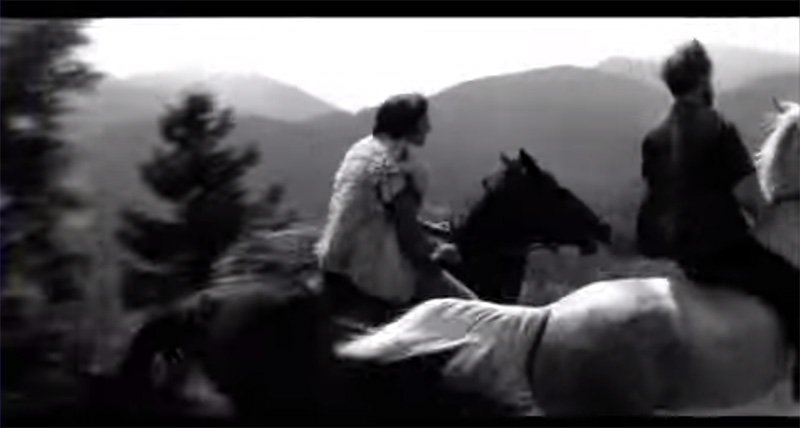
Widely considered a masterpiece of Bulgarian cinema, "The Goat Horn" is a stark, poetic drama based on Yordan Radichkov's novel. Set in 17th-century Bulgaria under Ottoman rule, it tells the haunting story of a shepherd, Kara Ivan, whose wife is brutally murdered. He raises his daughter, Maria, as a boy, teaching her combat and vengeance.
Why it's essential: This film is celebrated for its raw intensity, stunning black-and-white cinematography, and powerful exploration of vengeance, sacrifice, and the loss of innocence. It delves deep into the psychological impact of trauma and the moral ambiguities of seeking justice outside the law. "The Goat Horn" is noted for its powerful performances, particularly by Katya Paskaleva as Maria, and its poetic portrayal of a harsh rural life. It garnered international awards and remains a towering classic, reflecting a significant period in Bulgarian history through a deeply personal lens.
"Zift" (2008) – Javor Gardev
A standout neo-noir crime thriller, "Zift" plunges viewers into the gritty underworld of post-World War II communist Bulgaria. The story centers on Moth, a man released after serving a 20-year sentence for a murder he didn't commit. Fresh out of prison, he finds himself navigating a treacherous landscape of former friends, old enemies, and a quest for truth and revenge.
Why it's essential: "Zift" is a stylistic tour de force. Its striking black-and-white visuals, punctuated by sudden, impactful splashes of color, create a uniquely atmospheric and unsettling experience. Gardev’s direction is confident and bold, crafting a narrative steeped in themes of injustice, corruption, and the elusive nature of redemption. The film's dark humor and unexpected twists, combined with its unique visual language, quickly cemented its status as a modern classic. Like "The World Is Big...", it was Bulgaria’s entry for the 82nd Academy Awards' Best Foreign Language Film, showcasing the burgeoning talent in Bulgarian cinema in the late 2000s.
"A Nameless Band" (1981) (Bez Ime) – Lyudmil Kirkov
This beloved classic offers a charming yet poignant look at youth culture and the pursuit of dreams in communist Bulgaria. The film follows a group of young, aspiring musicians who form a rock band, only to face resistance and suspicion from authorities who view their "subversive" music as a threat to societal norms.
Why it's essential: "A Nameless Band" captures the spirit of rebellion and the universal desire for self-expression. It’s a powerful exploration of freedom, social class, and the clash between individual aspirations and state control, all wrapped in a genuinely engaging and often humorous narrative. The film resonates with anyone who has ever chased a passion against the odds, making it a timeless story about youth, friendship, and the enduring power of music. It remains incredibly popular in Bulgaria, often cited as a definitive film of its era.
"Dangerous Charm" (1984) – Ivan Andonov
"Dangerous Charm" is a captivating psychological drama that delves into the complexities of love, identity, and societal expectations. The story revolves around Maria, a young woman whose life takes an unexpected turn after she encounters the enigmatic Daniel. Their intense connection forces her to re-evaluate her desires, her upcoming engagement, and the societal pressures that define her life.
Why it's essential: This film is a masterful exploration of temptation, self-discovery, and the allure of the unknown. Ivan Andonov skillfully crafts a narrative that keeps viewers on edge, questioning motives and exploring the darker facets of human relationships. Its nuanced portrayal of character development and the emotional depth of its themes made it a significant success, winning the Grand Prix at the Moscow International Film Festival. It stands as a powerful example of Bulgarian cinema's capacity for intricate storytelling and psychological drama.
"Mission London" (2010) – Dimitar Mitovski
For a lighter, yet equally insightful, cinematic experience, "Mission London" delivers a hilarious and satirical take on international relations and cultural clashes. The plot follows a newly appointed, somewhat bewildered British ambassador to Bulgaria as he attempts to navigate a world of eccentric locals, corrupt politicians, and a series of bumbling terrorist plots during a high-stakes royal visit.
Why it's essential: This film is a laugh-out-loud comedy that cleverly uses humor to expose bureaucratic absurdities and cultural stereotypes. With a cast that includes well-known British actors like Alan Ford and Ralph Brown alongside Bulgarian talent, the film's witty script and farcical situations earned it both commercial and critical success. "Mission London" proves that Bulgarian cinema isn't just about profound dramas; it has a sharp, self-aware comedic side that is both entertaining and thought-provoking, offering a satirical mirror to contemporary society.
"Footsteps in the Sand" (2010) – Ivaylo Hristov
This poignant drama explores themes of grief, loneliness, and the unexpected connections that can bridge cultural divides. The film centers on Serafim, a retired music teacher grappling with the loss of his wife and the onset of dementia. His quiet world is disrupted and ultimately enriched when he encounters Vasil, a young Syrian refugee boy who has been washed ashore.
Why it's essential: "Footsteps in the Sand" is a tender and deeply human story about finding solace and purpose in the most unlikely of friendships. It addresses contemporary issues like the refugee crisis with sensitivity and grace, highlighting the universal need for human connection and compassion. The film’s powerful performances and heartfelt narrative earned it the Grand Prix for Best Film at the Golden Rose Bulgarian Feature Film Festival, demonstrating its ability to tackle difficult subjects with emotional depth and a message of hope.
Beyond the Spotlight: Other Notable Bulgarian Films
While the films above represent essential viewing, Bulgarian cinema's depth extends further. If these pique your interest, consider exploring:
- "Time of Violence" (1988): A powerful historical drama set during the 17th-century Ottoman rule, depicting a forced conversion to Islam and exploring themes of resistance, faith, and identity. Its epic scope and intense narrative have cemented its place as a national classic.
- "The Goat" (1969): Not to be confused with "The Goat Horn," this comedy is a lighter, more whimsical tale about a man who goes to extraordinary lengths, pretending to be a goat, to escape prison. It showcases a different facet of Bulgarian storytelling – one that embraces absurdity and folk humor.
Finding These Cinematic Gems
Discovering these films can sometimes be a treasure hunt outside of Bulgaria. Look out for them on specialized streaming platforms that focus on European or independent cinema, through film festival archives, or cultural institutions that promote Bulgarian arts. Many have been restored and released with English subtitles, making them more accessible than ever.
The Enduring Appeal of Bulgarian Storytelling
The journey through "Classic & Essential Bulgarian Films" is more than just watching movies; it’s an immersion into a unique cultural narrative. These films challenge, entertain, and move you, offering perspectives you might not find elsewhere. They stand as a testament to the enduring power of storytelling, proving that great cinema transcends language barriers and speaks directly to the human heart. So, prepare your popcorn, settle in, and let Bulgarian cinema transport you to a world rich with history, emotion, and unforgettable characters.